
Introduction to Strategic Brand Management
Welcome to my Strategic Brand Management blog. This blog will be used throughout the MKT-400 course to explore how companies build, manage, and grow strong brands. Each post will examine different brands and analyze the strategies they use to create brand identity, connect with customers, and strengthen brand equity.
1-3 Student Blog: Analyze How Brands Apply the Marketing Mix (4P’s) to a Brand

Week 1 Blog-Kurt Hodges
Title: How Different Brands Use the 4P’s to Build Brand Strength
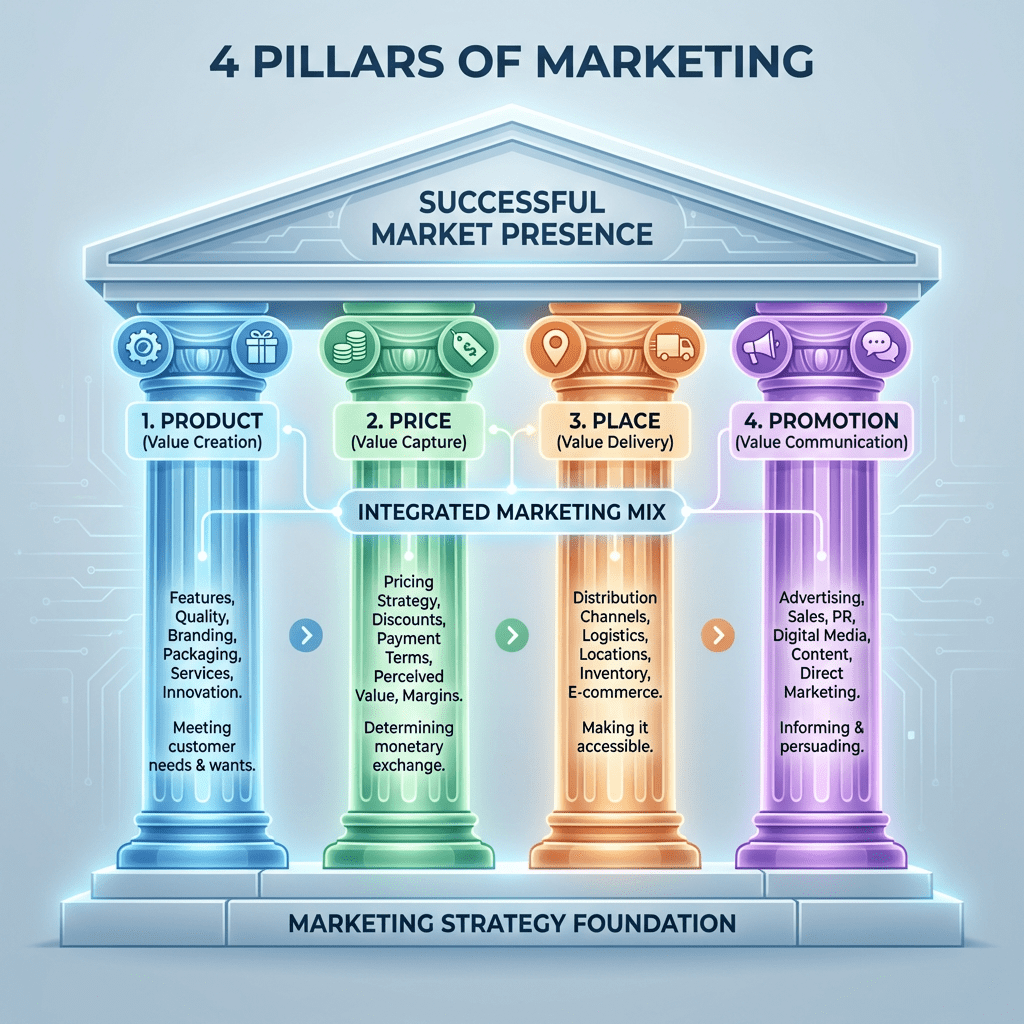
When we think about successful brands, it’s easy to focus on the logo or the products they sell. But strong brands are built through strategy, and one of the most important tools marketers use is the marketing mix, also known as the 4P’s: product, price, place, and promotion. These elements help companies shape how customers see their brand and ultimately build brand equity over time. Looking at brands in different stages of their life cycle helps show how these strategies evolve.
Rivian is a great example of a brand in the introduction stage. Rivian is an electric vehicle company that focuses heavily on adventure and outdoor lifestyles. Their main products are electric trucks and SUVs designed for people who enjoy exploring, camping, and traveling off-road. This gives Rivian a clear product identity that separates it from many other EV companies. Their pricing also places them in the premium category, which helps reinforce the idea that the vehicles are high quality and technologically advanced. Rivian sells its vehicles primarily through a direct-to-consumer model rather than traditional dealerships, which is becoming more common with newer automotive brands. In terms of promotion, Rivian focuses on storytelling around sustainability, adventure, and innovation. These marketing efforts help introduce the brand and start building recognition in a competitive industry.
Tesla represents a brand that is firmly in the growth stage. Over the past decade Tesla has grown rapidly and helped push electric vehicles into the mainstream market. Tesla’s product strategy focuses on high-performance electric vehicles combined with advanced technology such as autopilot capabilities and over-the-air software updates. The company’s pricing has historically been premium, but Tesla has gradually introduced more affordable models to reach a wider audience. Tesla also sells directly to customers through its website and company-owned showrooms, which allows the company to maintain more control over the buying experience. Promotion for Tesla is somewhat unique because the brand generates massive attention through innovation, media coverage, and the influence of CEO Elon Musk. Rather than relying heavily on traditional advertising, Tesla often benefits from word-of-mouth and social media visibility.
Ford represents a brand in the maturity stage of the brand life cycle. As one of the oldest and most recognizable automotive companies in the world, Ford has built strong brand equity over more than a century. Ford’s product strategy includes a wide range of vehicles, from trucks and SUVs to electric models like the F-150 Lightning and Mustang Mach-E. This allows the brand to appeal to multiple customer segments. Ford’s pricing strategy also varies widely depending on the vehicle type, allowing them to reach both budget-conscious buyers and premium truck customers. In terms of place, Ford uses a traditional dealership network that spans across the country and globally. Their promotion often focuses on themes like durability, reliability, and American heritage, especially with vehicles like the F-150 which has been one of the best-selling trucks in the United States for decades.
Looking at these three brands together shows how the 4P’s can be applied differently depending on where a brand is in its life cycle. Newer brands like Rivian focus on building awareness and creating a unique identity. Growing brands like Tesla expand their reach and continue to innovate. Established brands like Ford focus on maintaining trust, adapting to new technologies, and protecting the brand equity they have built over time.
References
Ford Motor Company. (2024). Ford vehicles and innovation. https://www.ford.com
Rivian Automotive, Inc. (2024). Electric adventure vehicles. https://rivian.com
Tesla, Inc. (2024). Electric vehicles, energy, and innovation. https://www.tesla.com
TBD
Blog-Kurt Hodges




 Welcome to Kurt Talk